The problem with manual everything
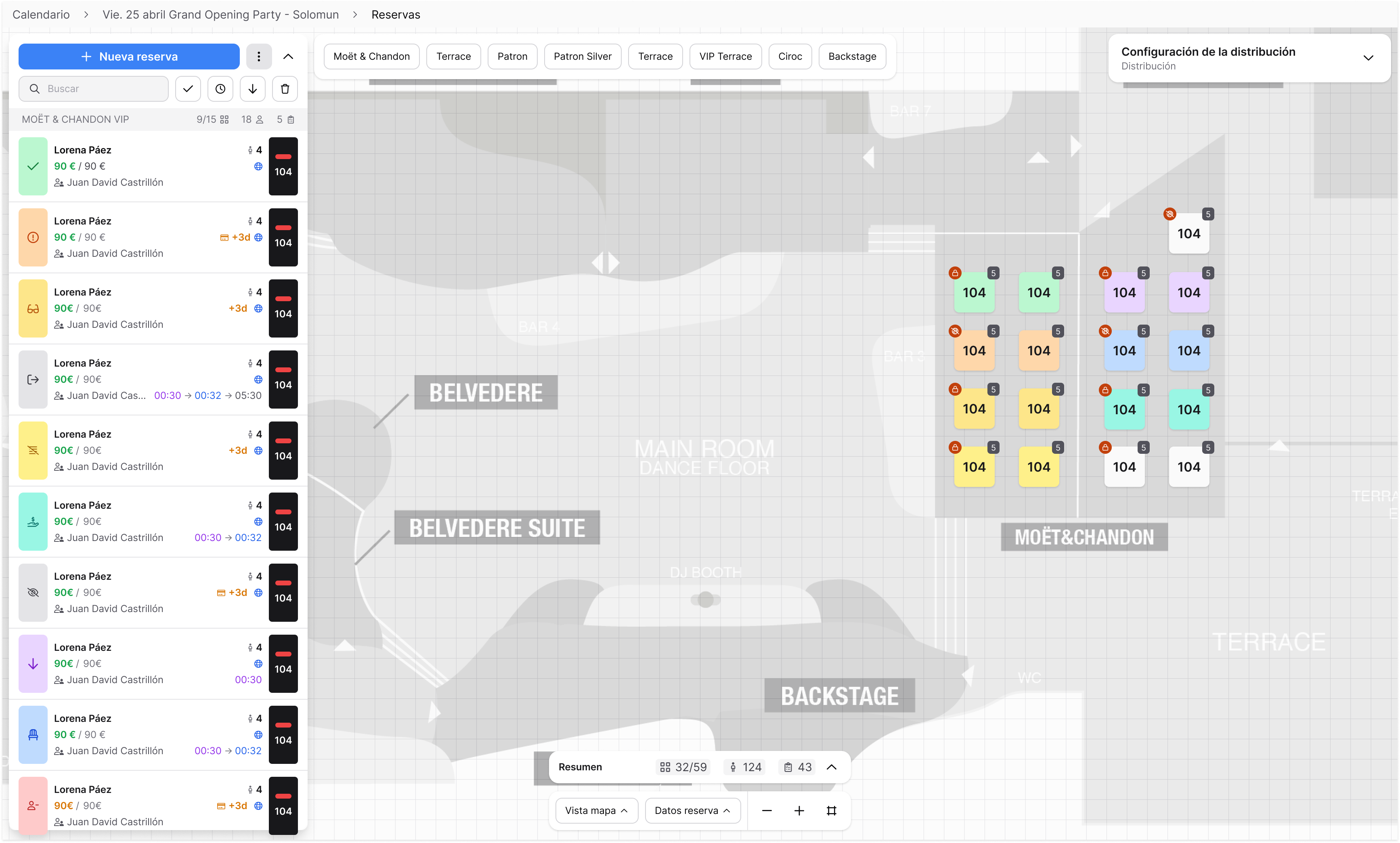
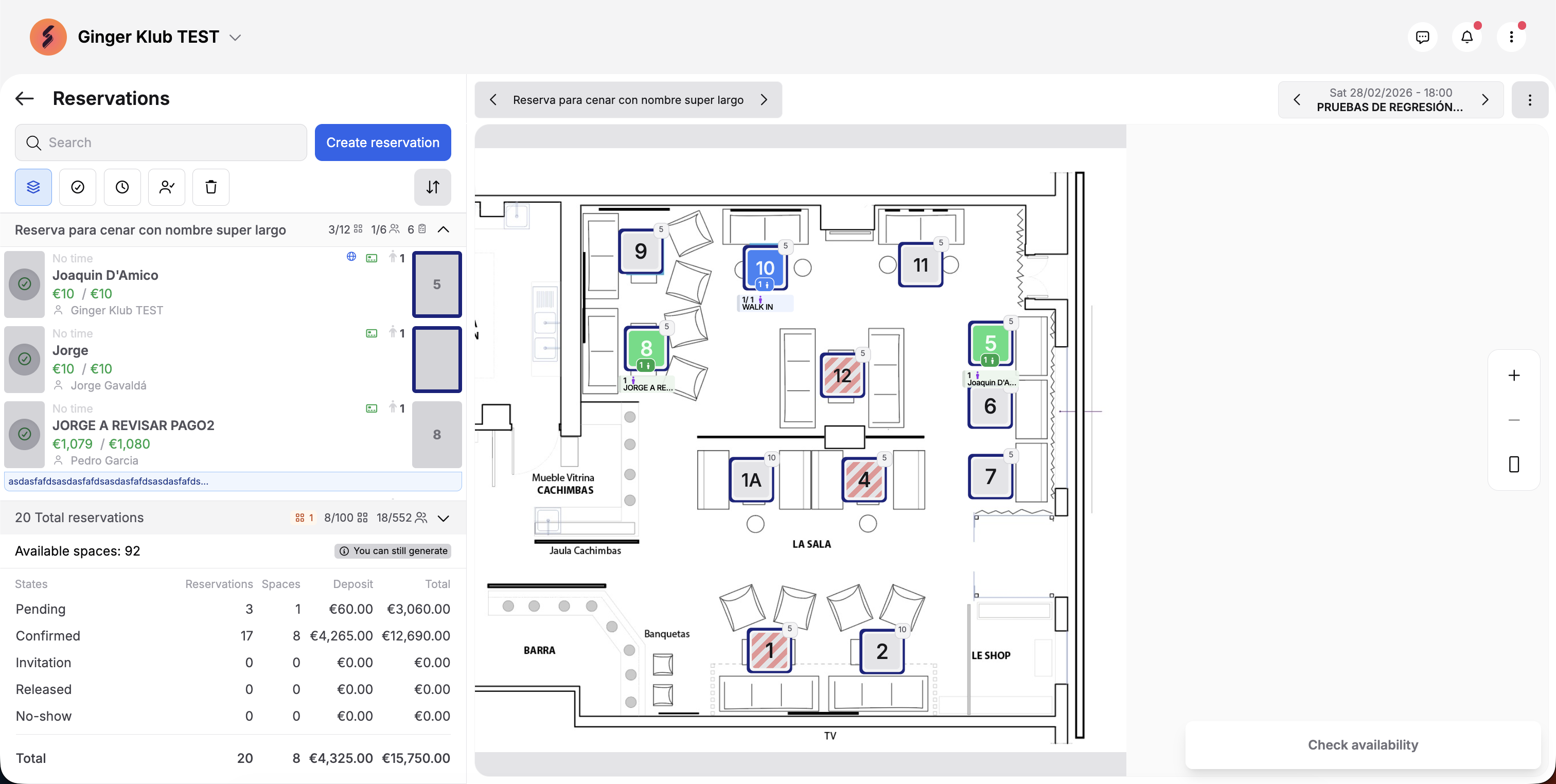
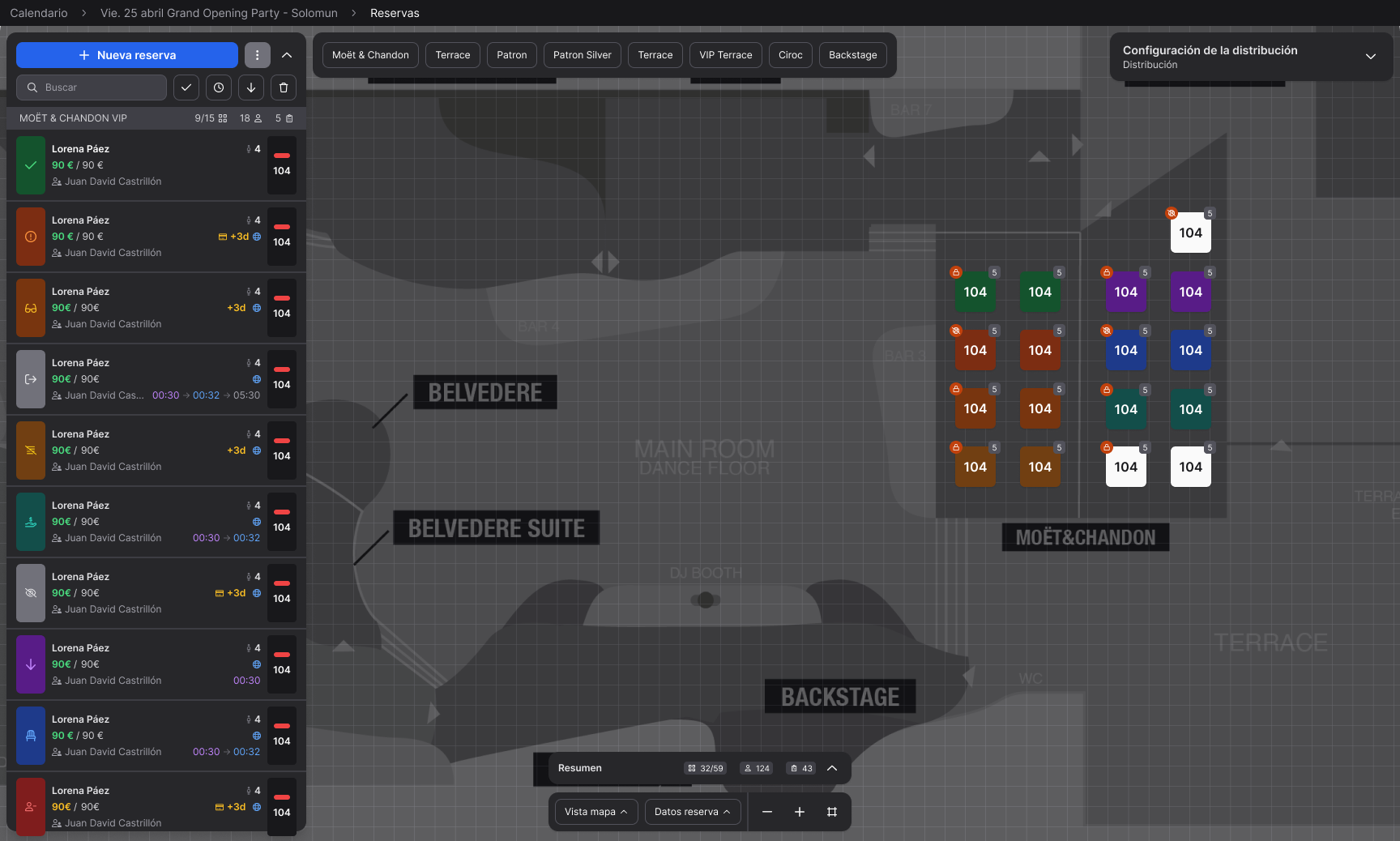
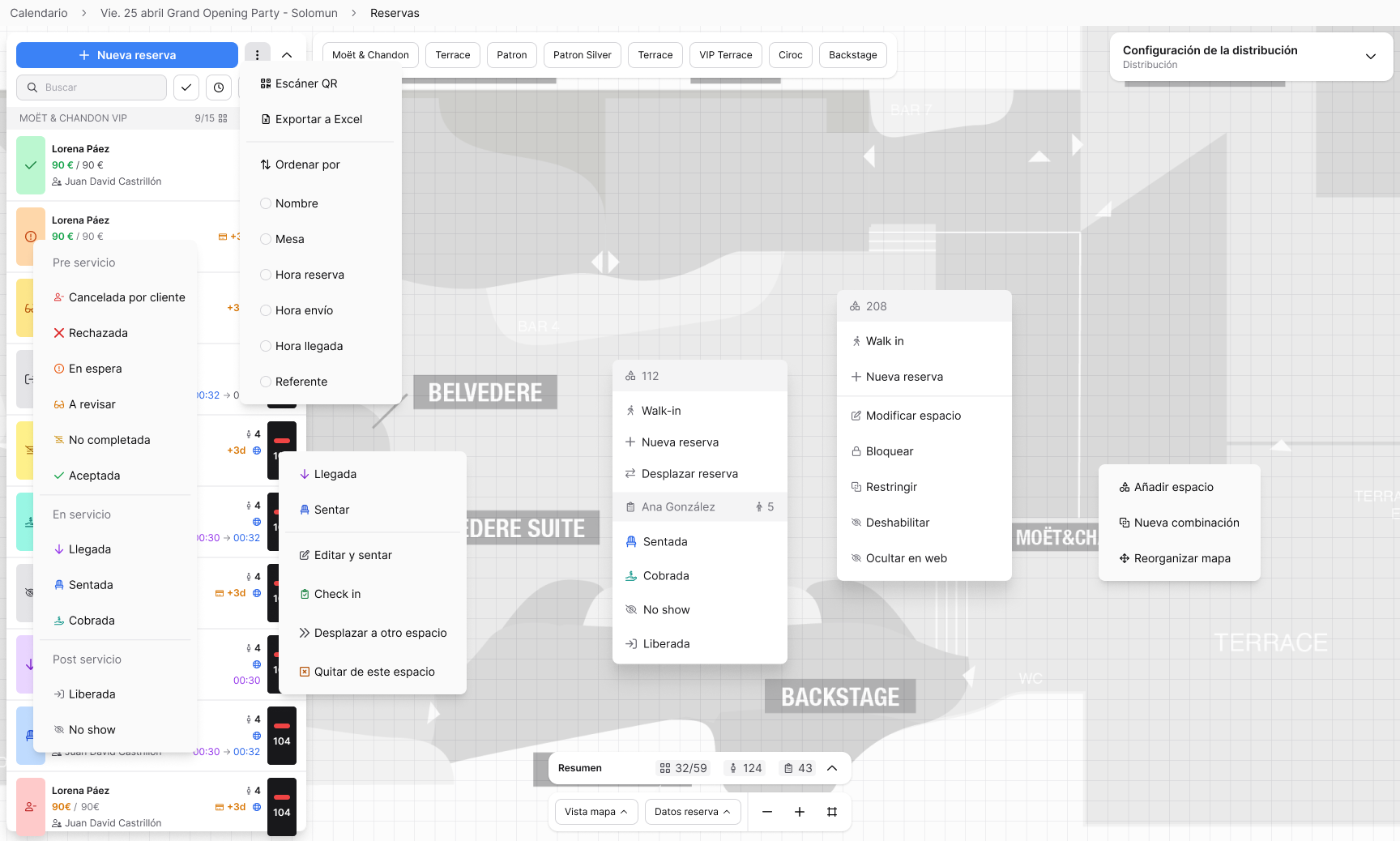
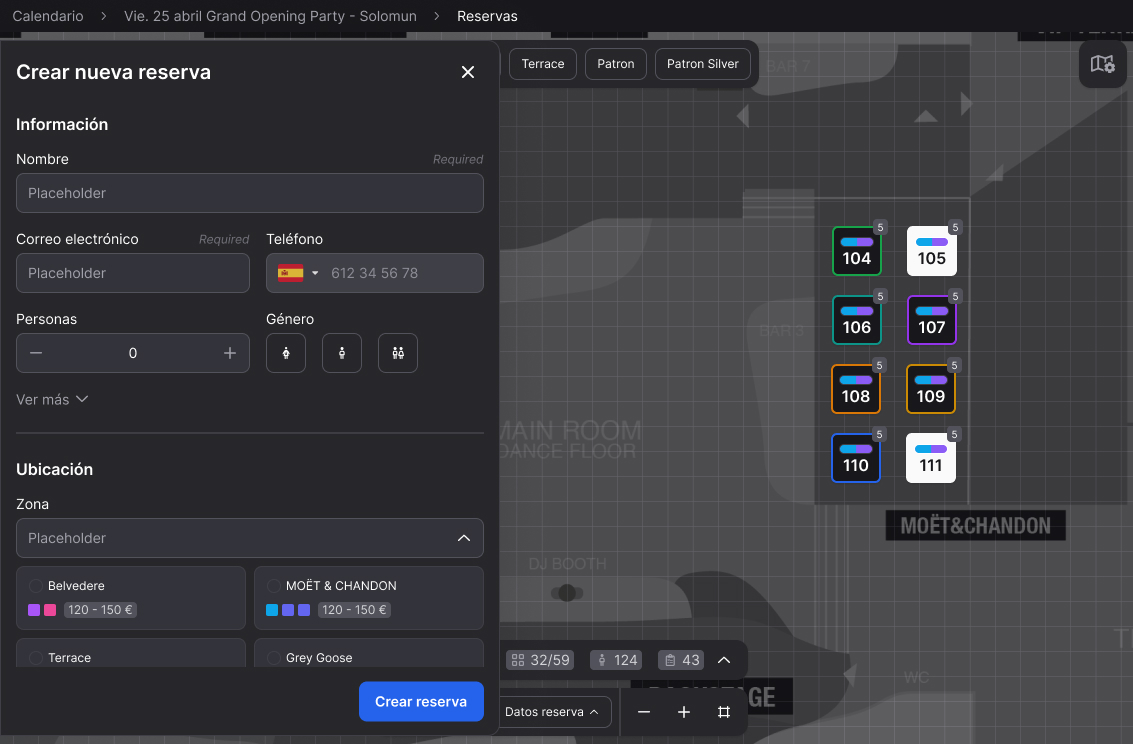
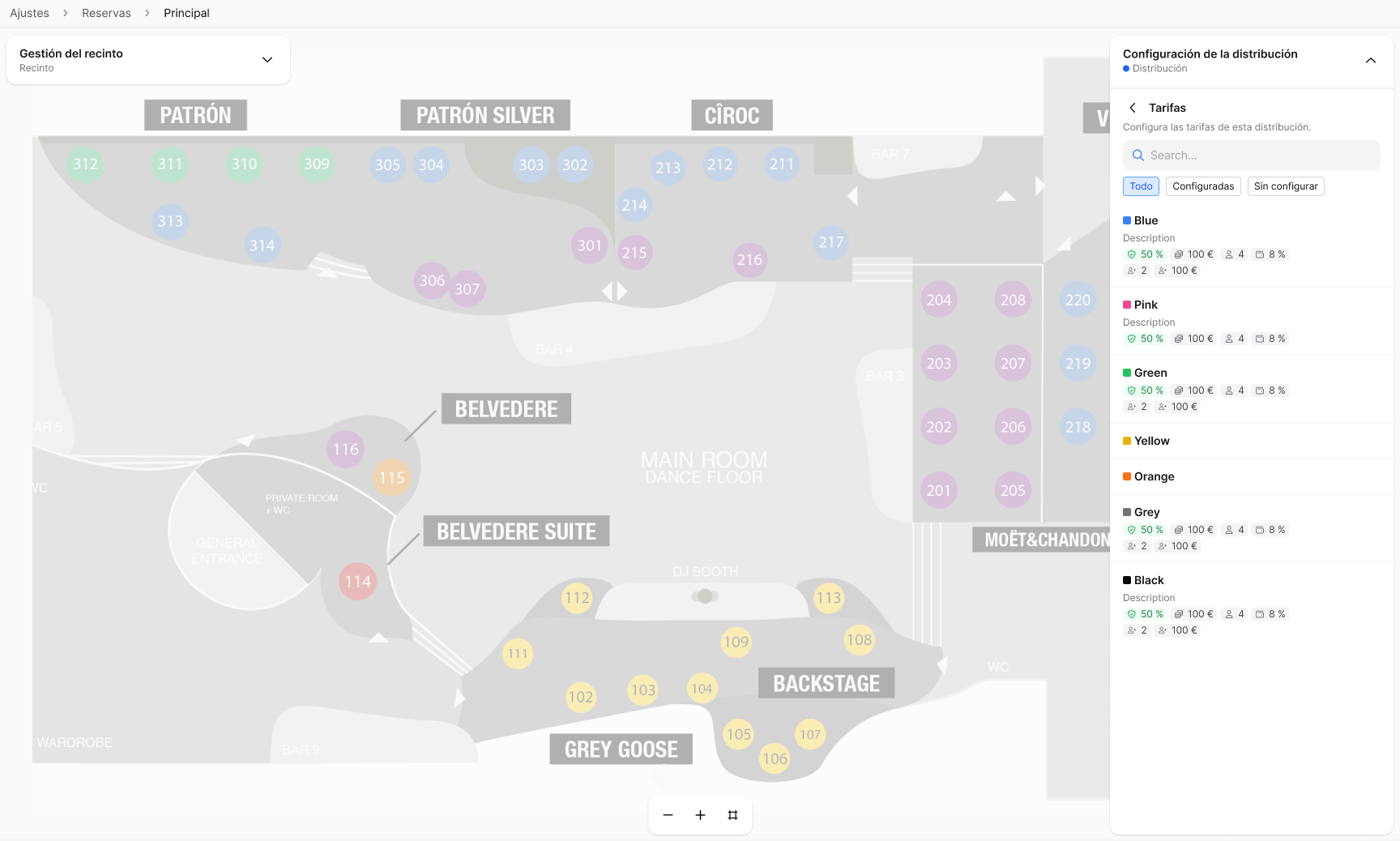
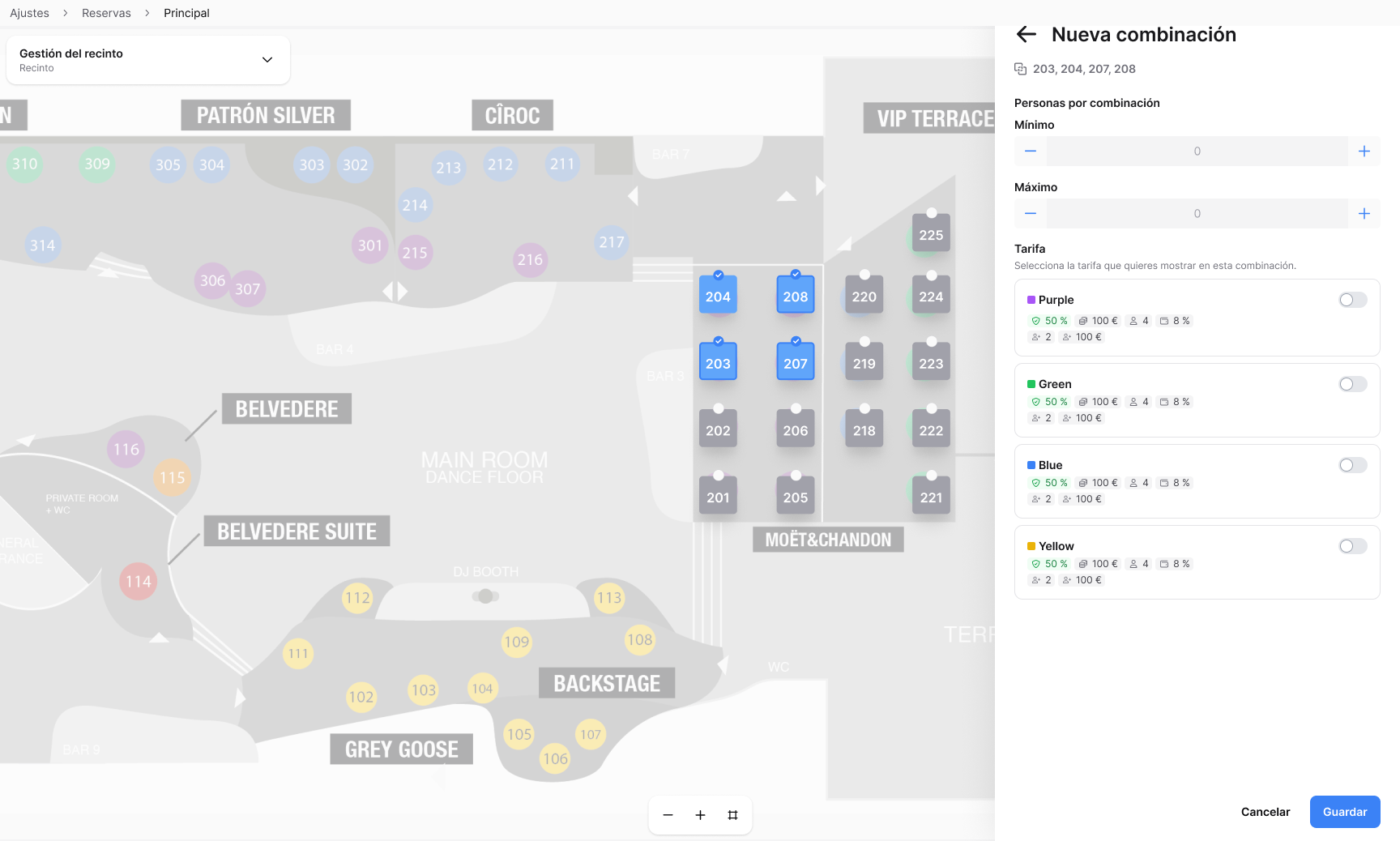
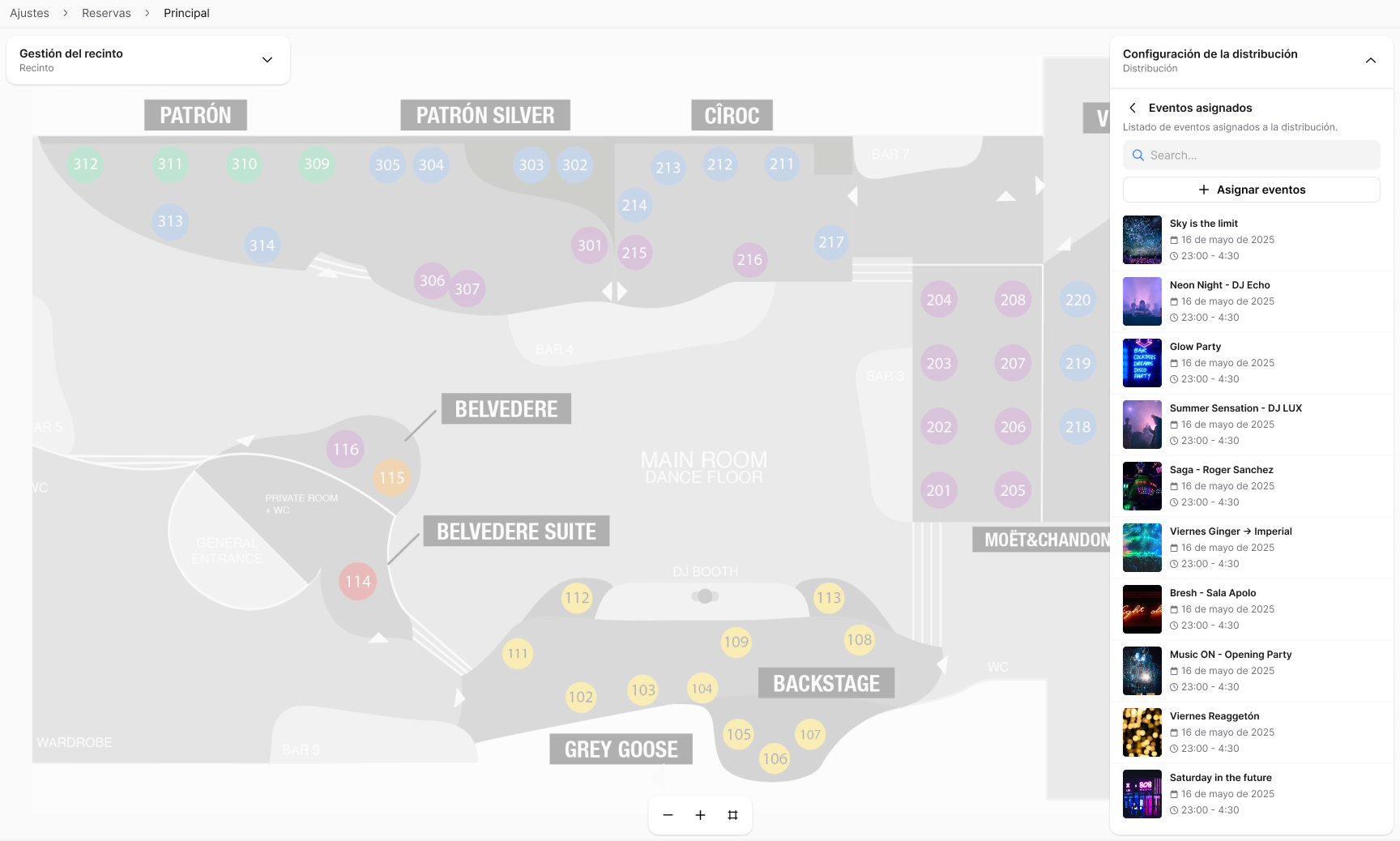
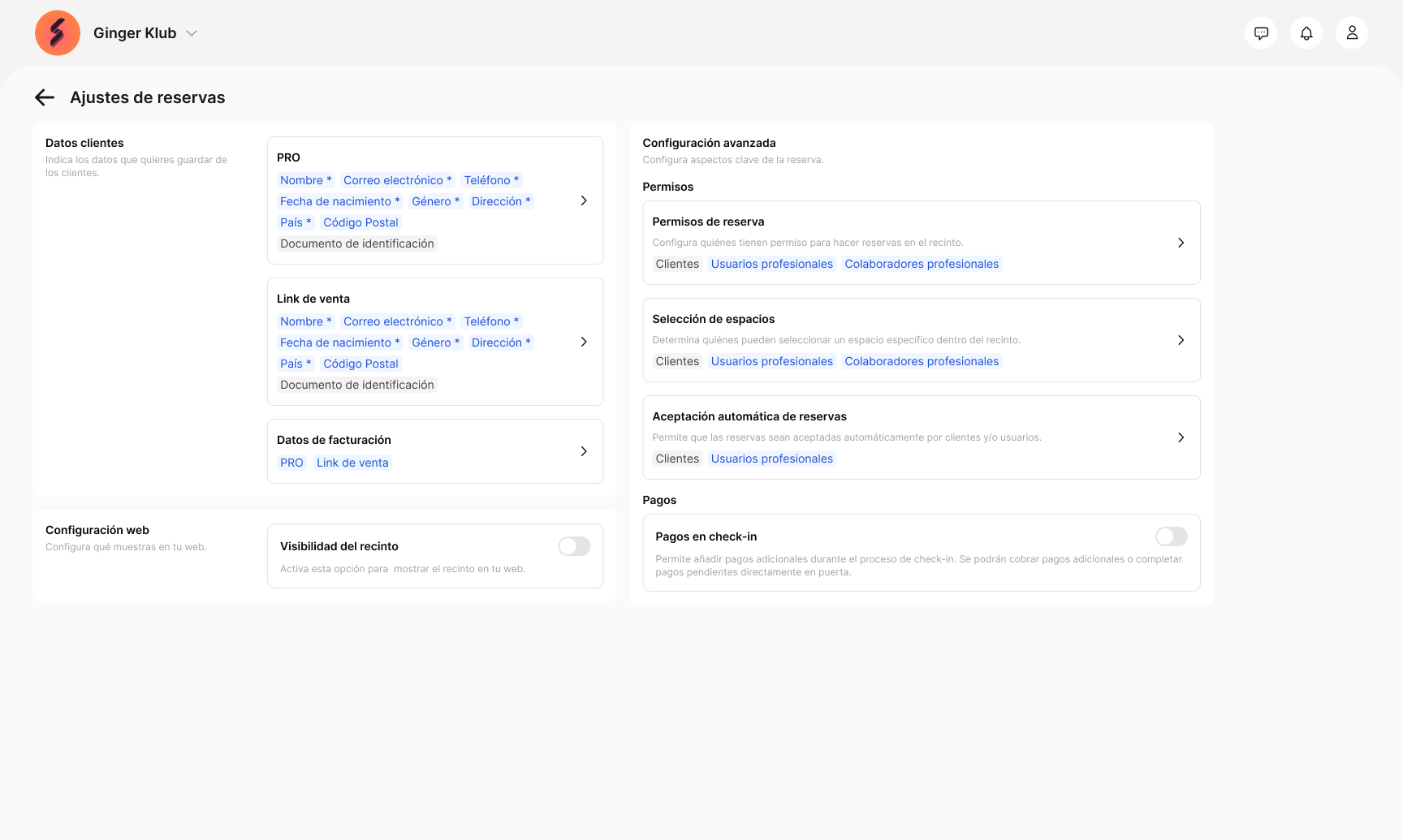
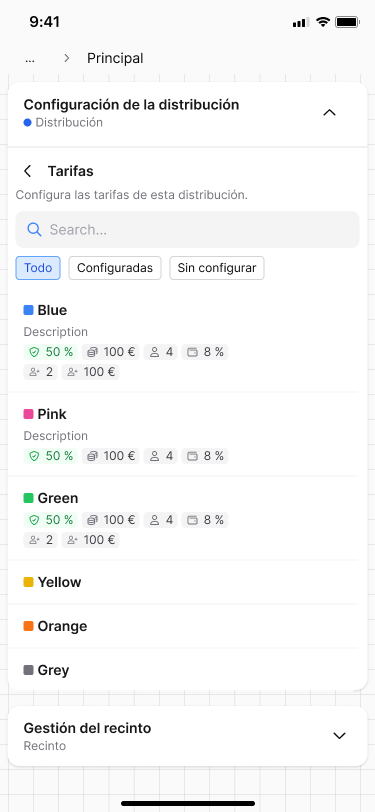
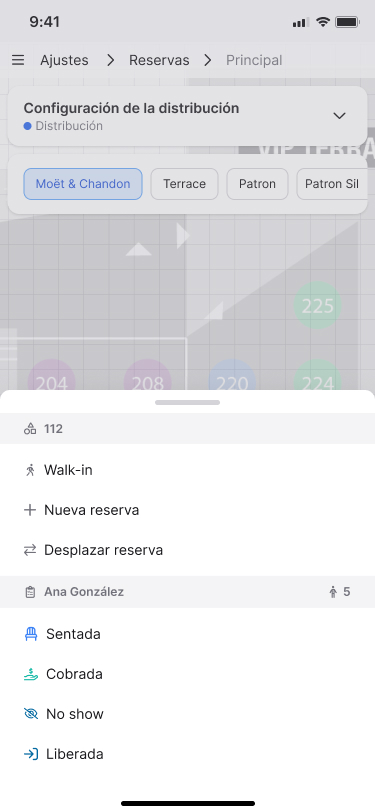
Fourvenues is a B2B SaaS built for nightclubs and venue operators. The reservations domain was being built from scratch. My job as sole designer was to design the full experience: the internal tool for nightclub managers to configure their venues, build their interactive maps, and manage reservations, and the client-facing web where end customers could buy their reservados.
Before this redesign, everything ran manually. The people managing the nightclub, handling reservations, welcoming guests, and running events, had to stay constantly on top of everything manually, answering questions, making changes, and handling operations that the product should have been doing. There was no autonomy. Every change depended on someone from the team. The map was static. Configuration was fragmented. The product was a black box for operators.
My role covered the whole process: alignment with stakeholders, discovery, research, first sketches, wireframes, prototypes, final designs, developer handoffs, and QA as features went into production. I also owned the design system for the domain.
Give the people running the nightclub, managing reservations, events, and guest entry, a tool they could actually use on their own. Lower the support load, reduce triage tickets, and make the product viable for larger venues with more complex operations.